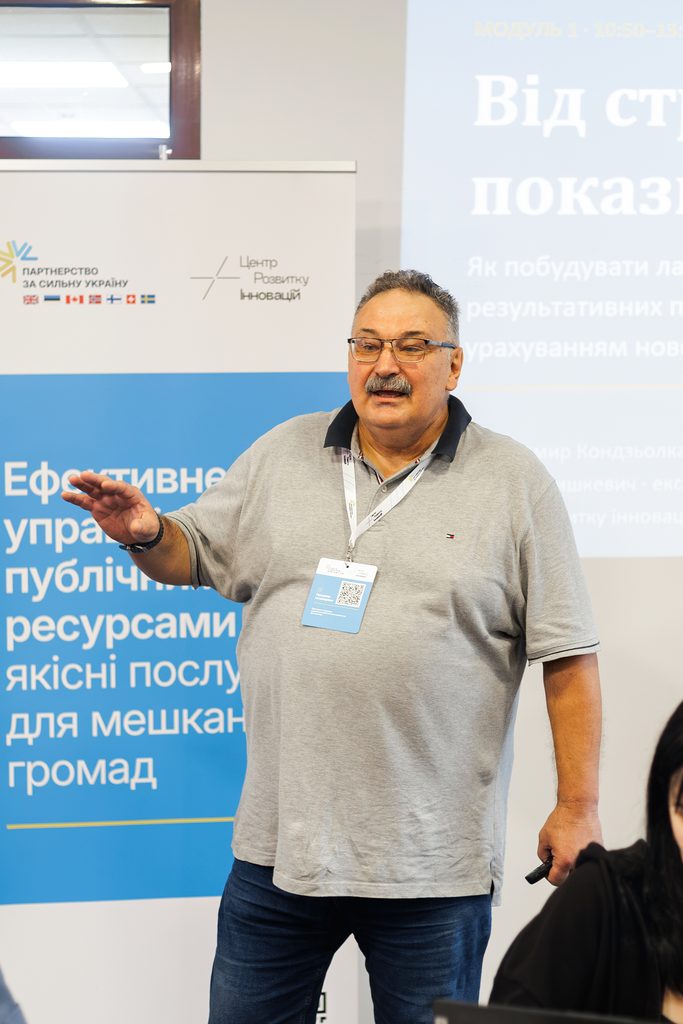
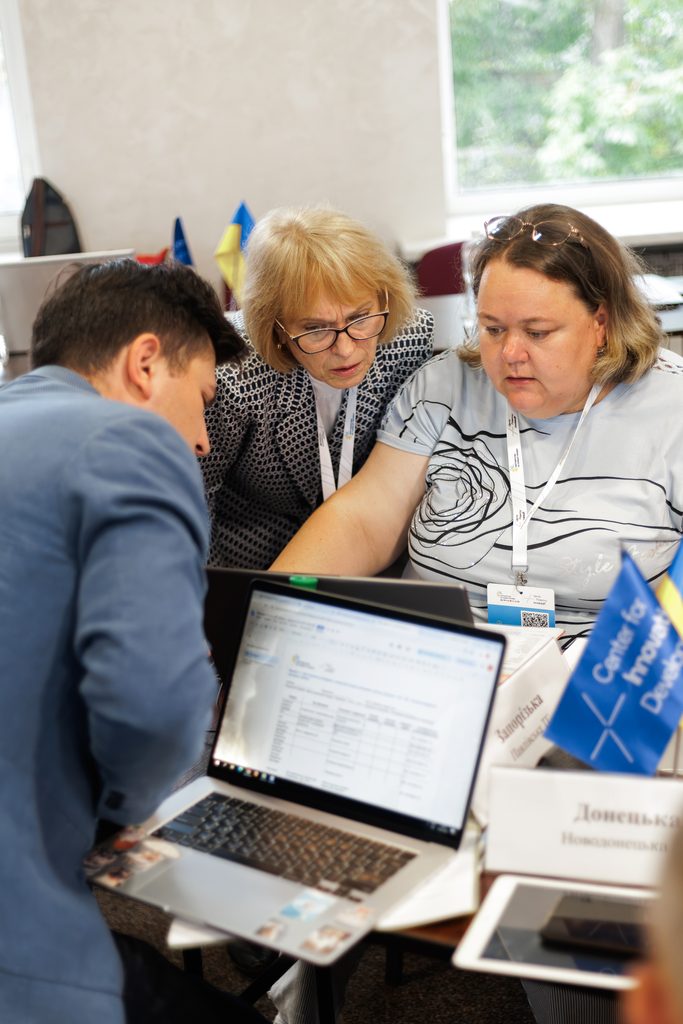
Participants addressed these questions during the first of four training modules of the program «Managing Public Resources at the Local Level: From Project Ideas to Systemic Change in the Community», which the Center for Innovation Development held on September 14–15 in Poltava with support from the «Partnership for a Strong Ukraine» Program.
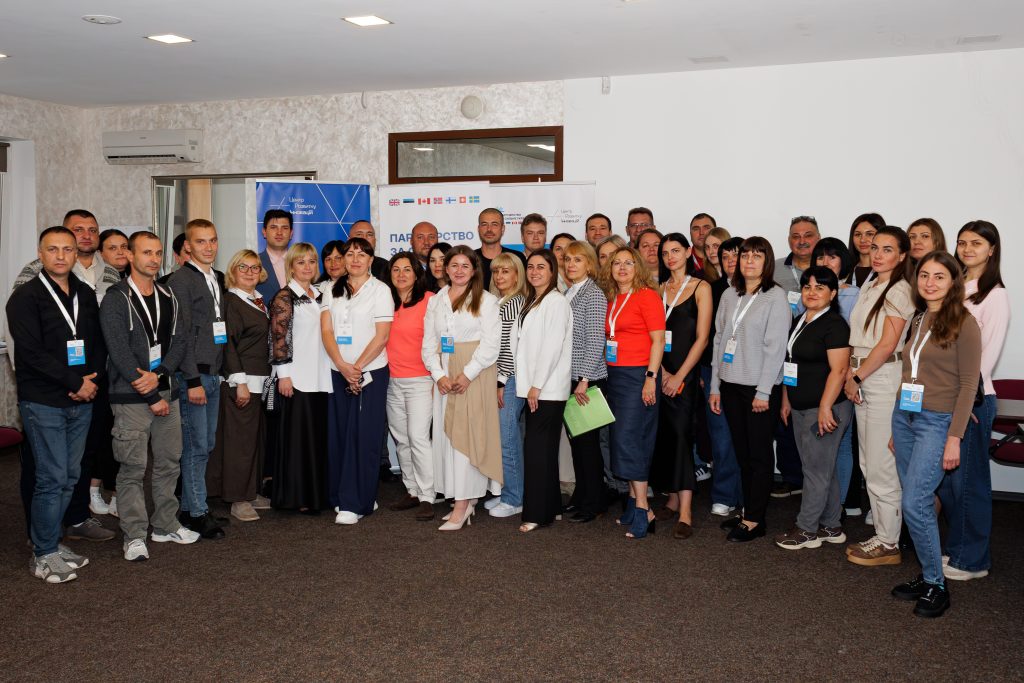
Public investment is one of the key tools for managing public resources, as it enables communities to allocate available resources toward addressing priority issues, developing infrastructure, and improving the quality of public services.
Among the key topics was the question of how to distinguish a genuine public investment from routine maintenance or repair expenses. It is important for communities to learn to evaluate a project not only in terms of how much it costs, but also by considering what problem it solves, what need it addresses, what demand exists, and what improvement in service quality it will ultimately bring about.
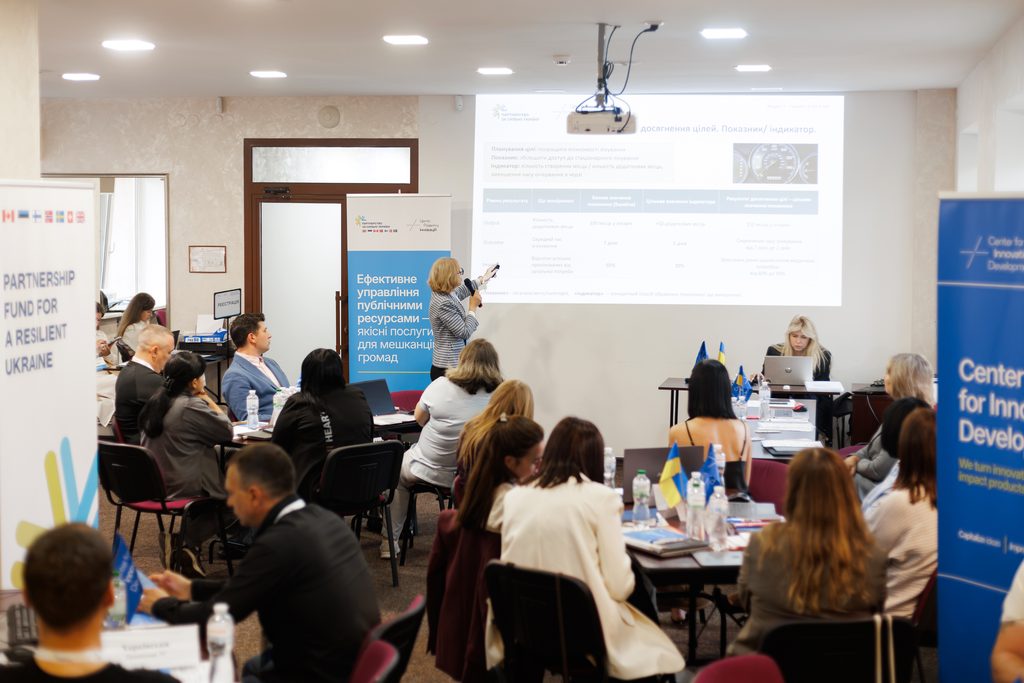
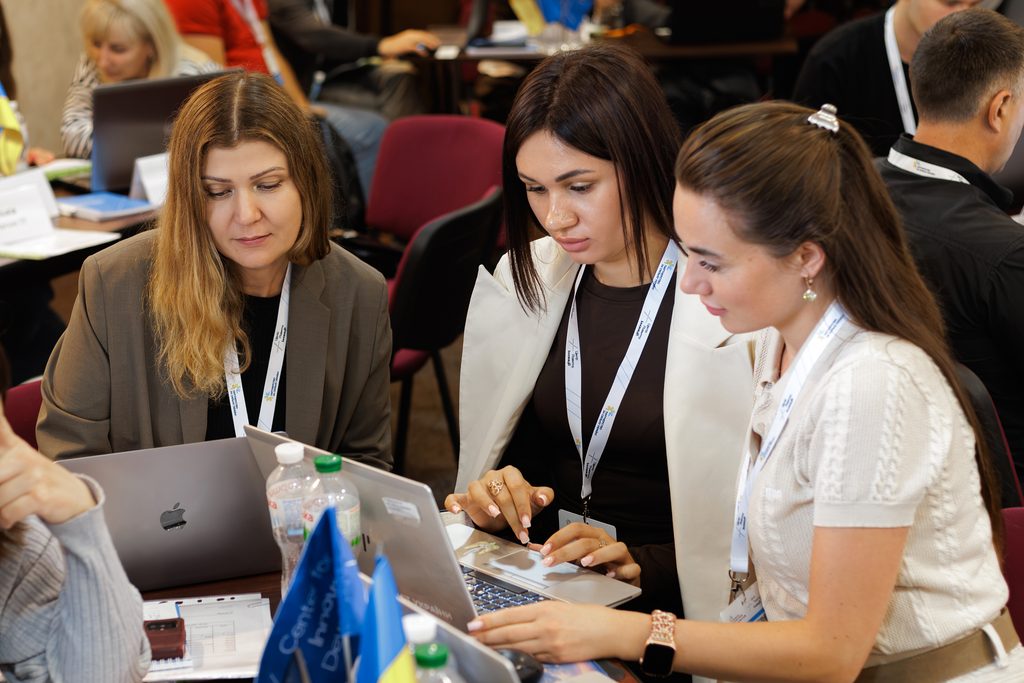
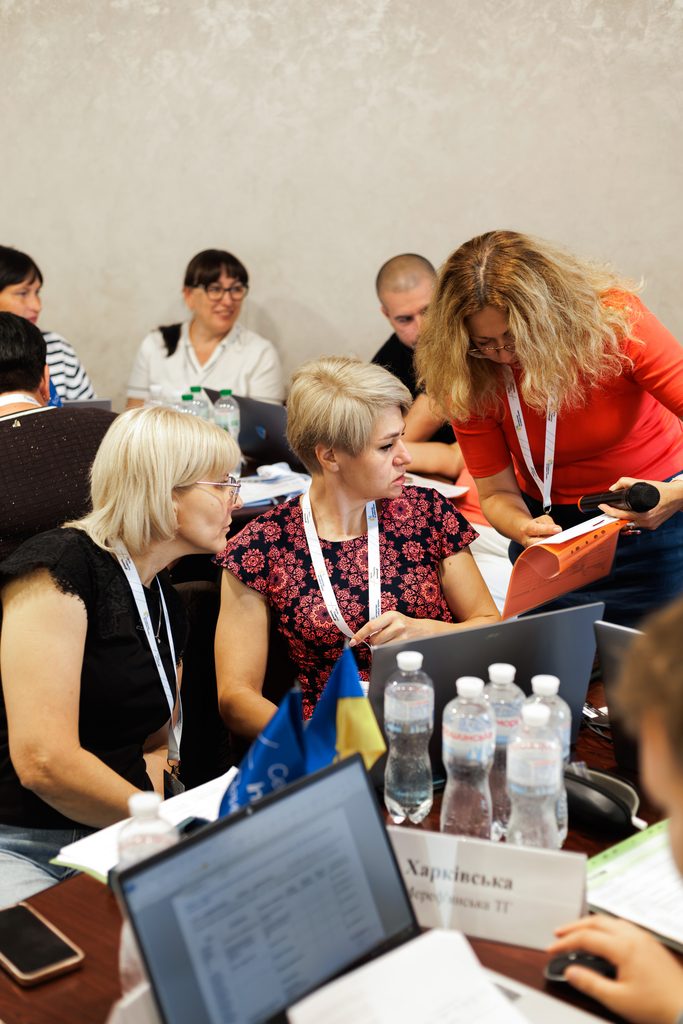
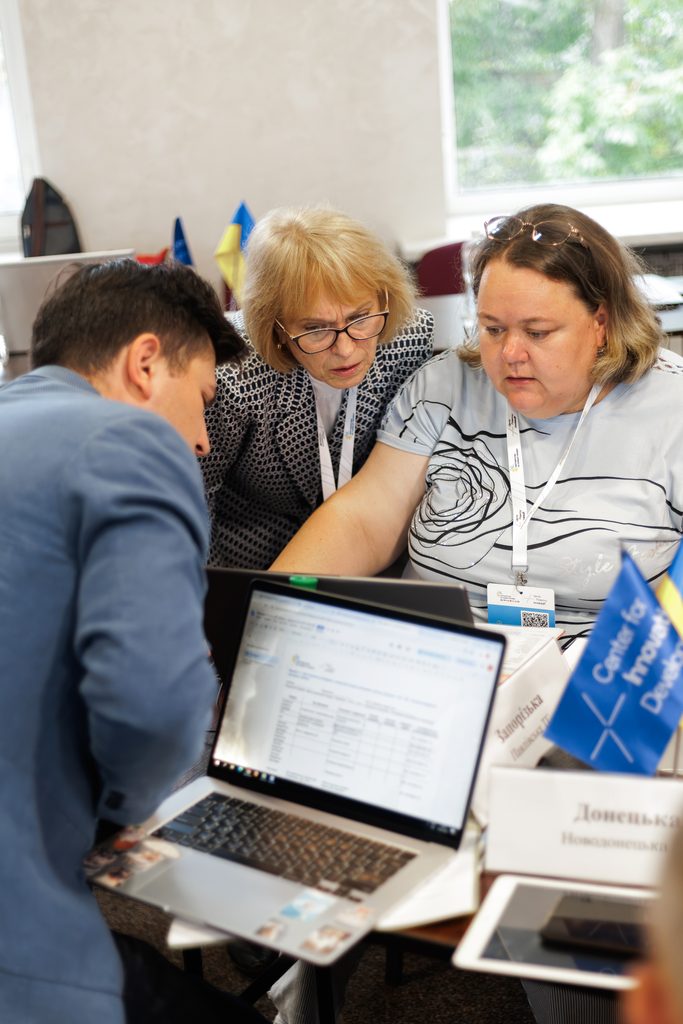
During the training, participants analyzed real-world scenarios: should they invest in new facilities or renovate existing ones, and does a particular project truly require public investment?
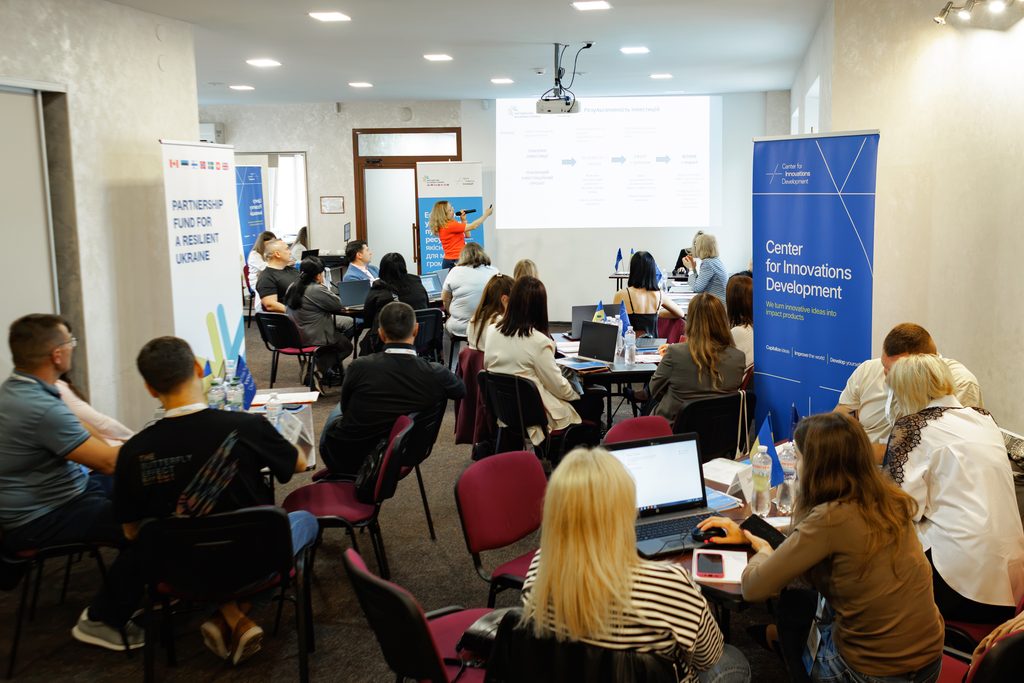
The next important step is economic justification. Participants compared alternative options, assessed their feasibility, and identified the optimal solutions. After all, not every problem requires large capital investments; sometimes it is more effective to change the approach, process, or service format.
They worked separately on the financial justification of costs, analysis of funding sources, and the project’s life cycle. The communities identified the type of investment, the expected improvement in service quality, the person responsible for the project, and the next step in preparation for the feasibility study.
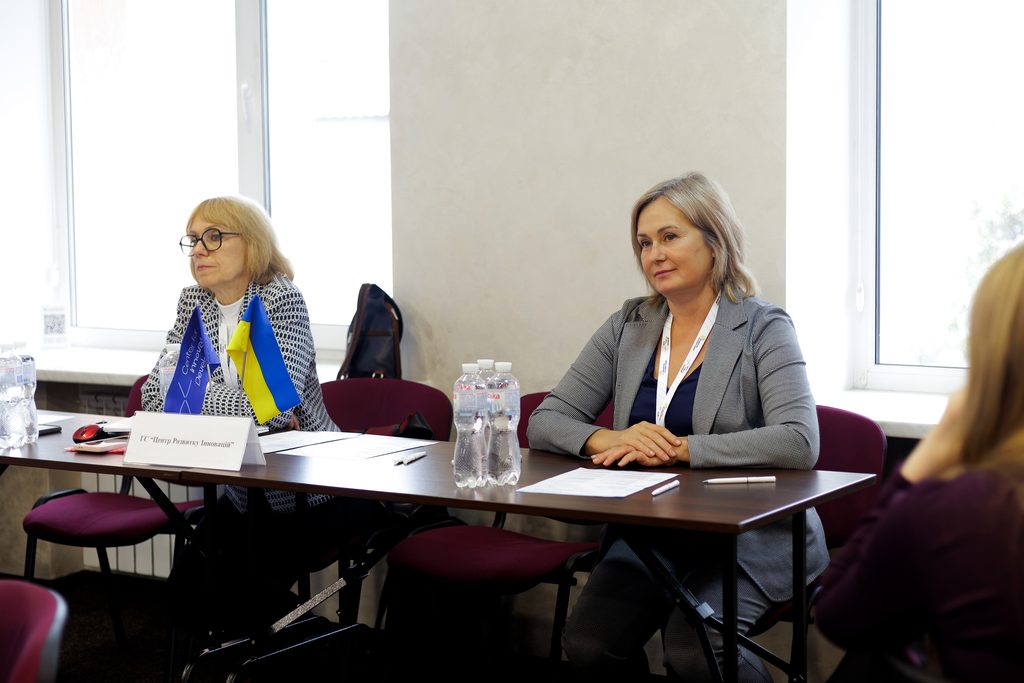
In this way, a project idea gradually transforms into a well-founded investment decision that aligns with the community’s strategy, has clear goals and indicators, and takes into account alternatives, risks, financial capabilities, and future impact.
This is precisely the approach we aim to teach communities: not simply to spend funds on projects, but to manage public resources in a way that supports the long-term development of the region.
There are three more training modules ahead, during which participants will deepen their knowledge and move through the next stages of working with public investments – from high-quality project preparation to implementation and evaluation of results.

The educational program is implemented by the Center for Innovation Development with the support of the «Partnership for a Strong Ukraine» Program, which is funded by the governments of the United Kingdom, Estonia, Canada, Norway, Finland, Switzerland, and Sweden.