How are funds being spent on the reconstruction of schools, hospitals, shelters and other public facilities? The team at the Centre for Innovation Development is seeking to answer this question as part of the project ‘InvestWatch: public monitoring of public investment’, which is supported by the European Union. Experts will analyse 15 public investment projects in the Sumy, Chernivtsi, Khmelnytskyi and Kirovohrad regions.
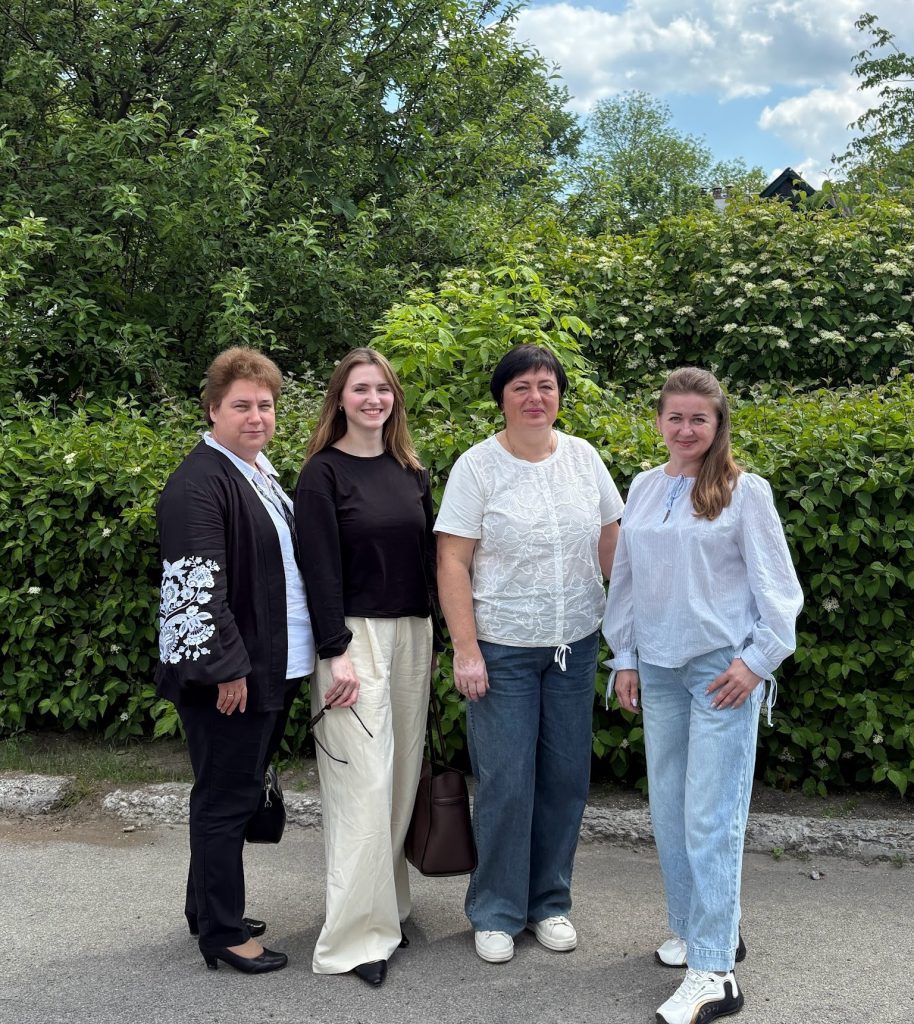
The project team carried out its first monitoring visit to Okhtyrka Lyceum No. 3, where the local community is renovating the canteen. At present, pupils are being catered for by an external catering service, as the building has not undergone any major refurbishment since its construction in 1991, and numerous inspections have identified serious problems – ranging from outdated equipment and a lack of ventilation to failure to meet modern requirements for the safe feeding of children. Once the refurbishment is complete, the canteen staff will be able to prepare meals on site for 800 children and school staff.
According to the contractor, the project was 98 per cent complete at the time of the visit. New catering equipment had been installed on the premises and the necessary fittings had been delivered. The only outstanding issue is ventilation. The project is being funded by a government grant, which has been used to purchase equipment and modernise the canteen and kitchen facilities.
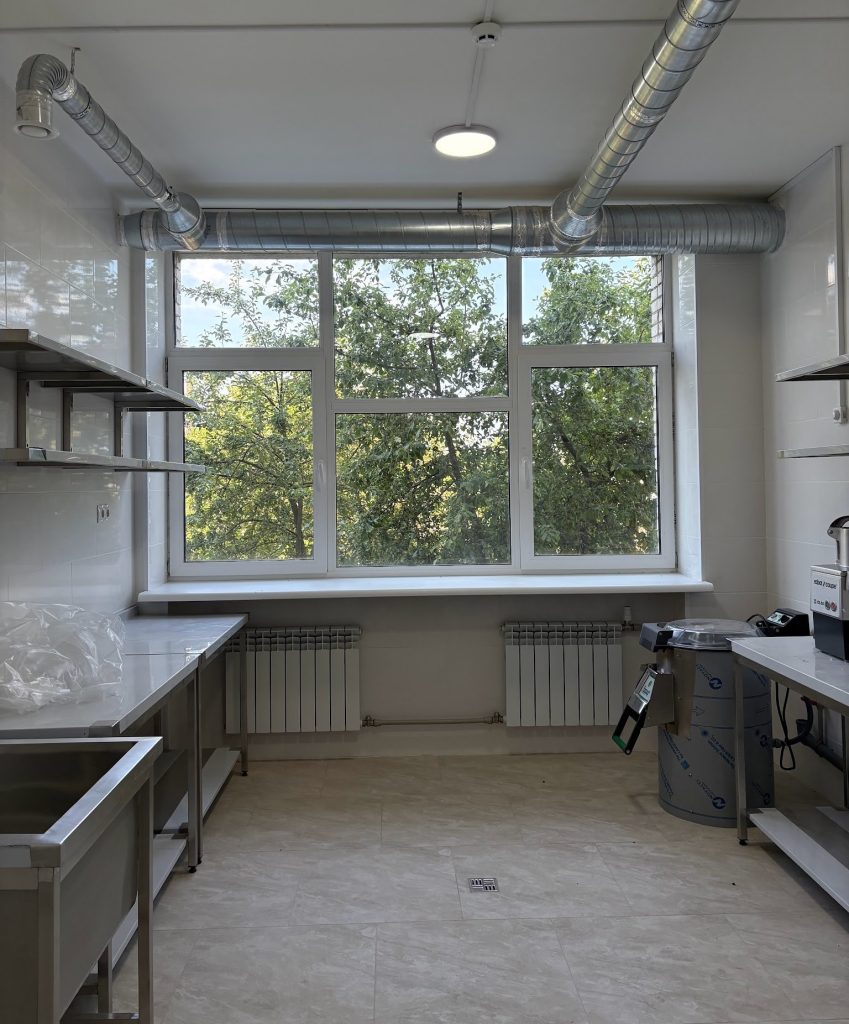
Experts from the Centre for Innovation Development inspected the catering facilities and spoke with community representatives, the school’s management and the contractor to find out how the project is progressing, what decisions have been taken and what difficulties have been encountered.
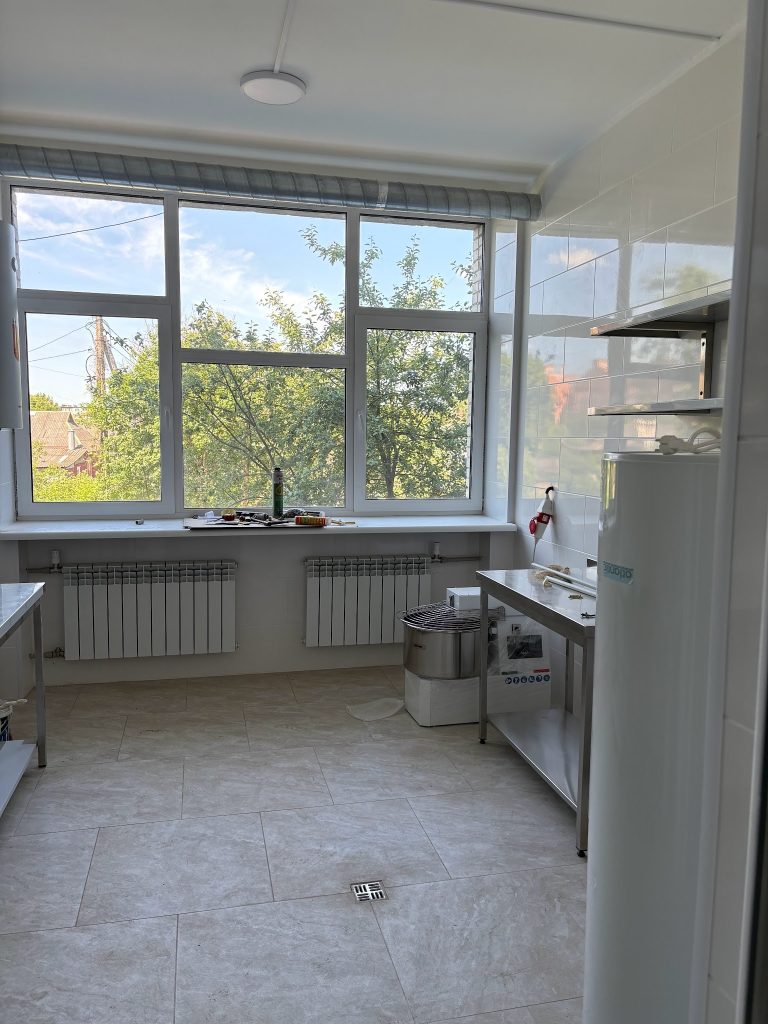
The school reported that one of the biggest challenges was the low capacity of the electricity supply network. The existing grid capacity is insufficient for the new kitchen block, equipped with modern appliances, to operate at full capacity; consequently, it was necessary to prepare separate project documentation, obtain approvals and carry out additional procurement to increase the capacity. At the time of the monitoring visit, a tender for this work had already been announced. There were also delays in funding and staffing difficulties.
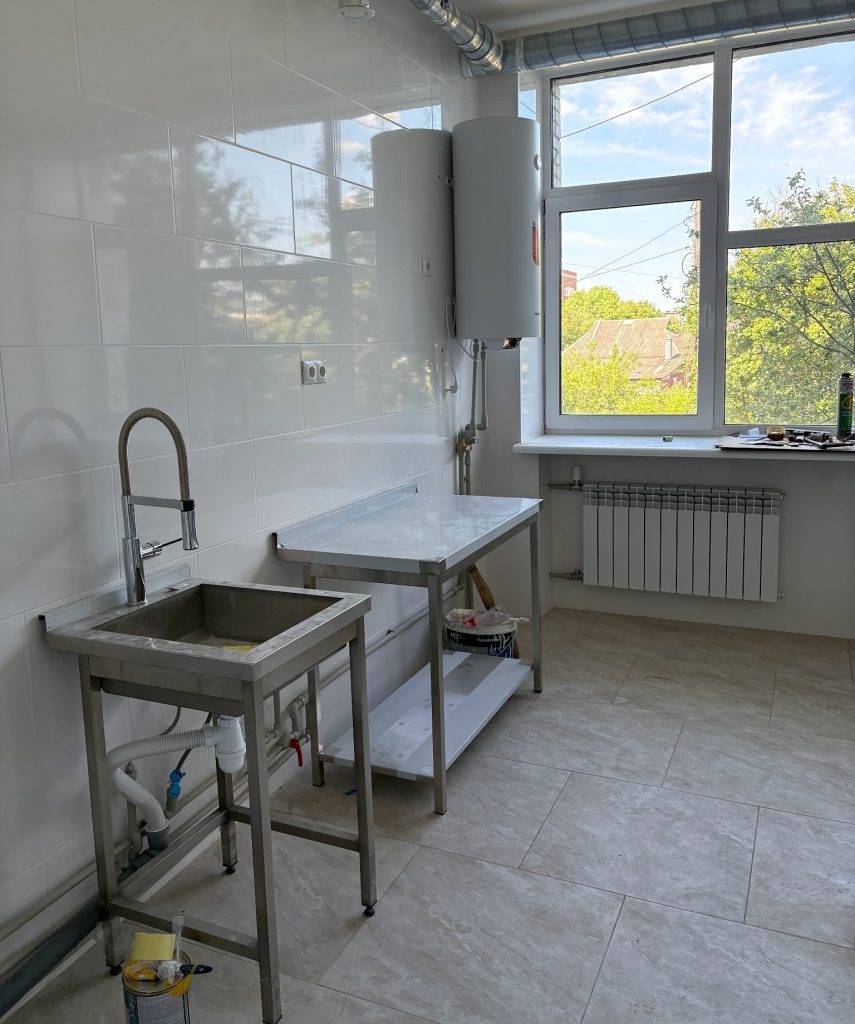
The experts also found that, following the dismantling of the old equipment, it became necessary to take into account new technical aspects of the refurbishment, and certain aspects of the work had to be adjusted due to changes in regulatory requirements and funding procedures.
Given all the challenges listed above that the project team faced, the result is all the more impressive.
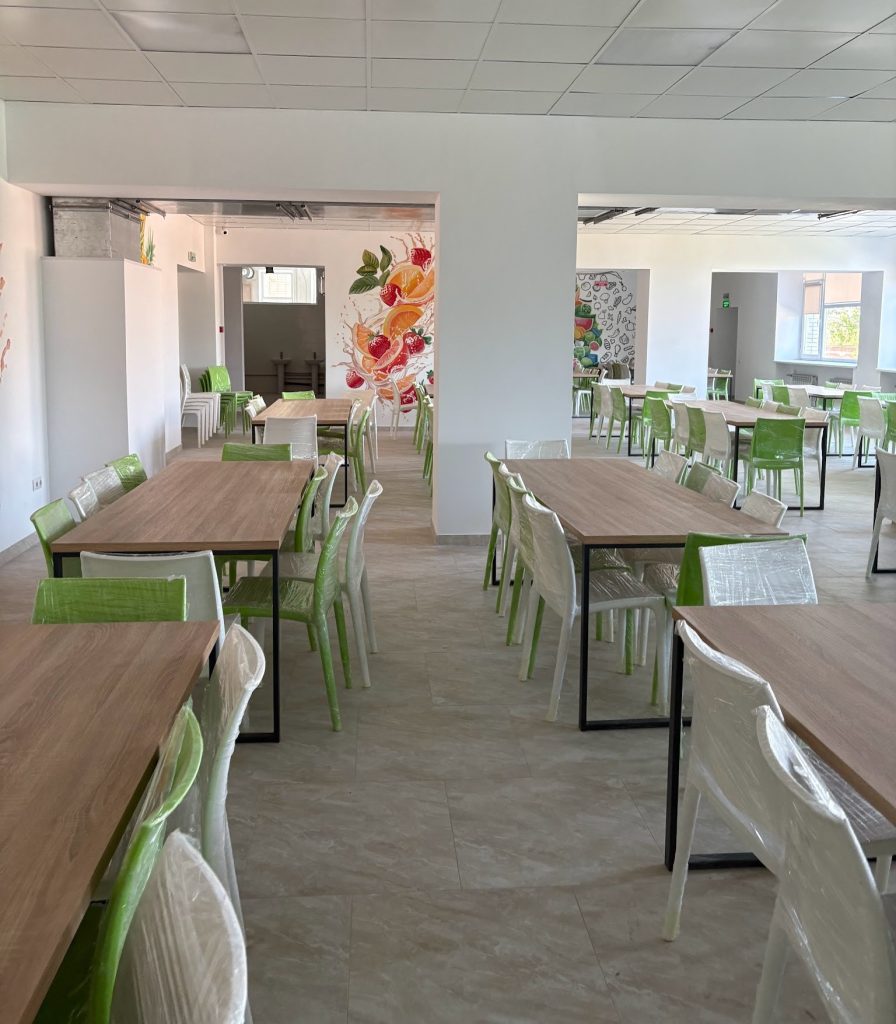
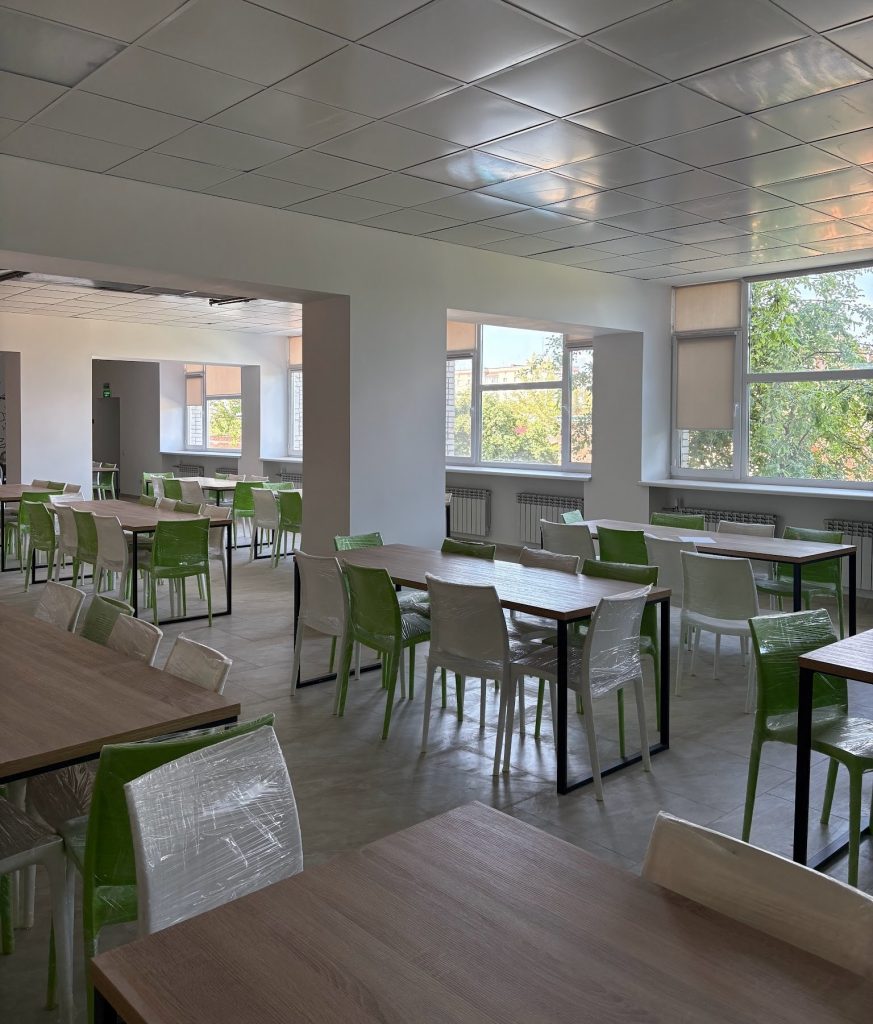
“During our visit, we saw a comfortable and bright school canteen and a modern kitchen. It’s hard to believe that this used to be a building that had long been in need of renovation. We hope the pupils will enjoy it here,” commented the monitoring experts, Anna Sklyarenko and Olesya Malyavina.
The data collected during the monitoring exercise will form the basis for a further analysis of the project, financial and tender documentation. Following this, the experts will draw up recommendations on how to improve the effectiveness of the project’s implementation and enhance the transparency of public investment management, which they will submit to the community, specifically the school’s management and the local authority.
This material was produced as part of the ‘InvestWatch: Civil Society Monitoring of Public Investment’ project, which forms part of the ‘Public Investment Monitoring’ project, with financial support from the European Union. The Centre for Innovation Development is responsible for the content of this publication; its content does not necessarily reflect the views of the EU. The “Control of Public Investments” project is implemented by the Centre for Economic Strategy, the Institute for Economic Research and Policy Consulting and the NGO “Technologies of Progress”.