Digitalisation processes are bringing the issue of e-democracy implementation to the fore worldwide. The main tool for assessing this process is the UN E-Government Development Index (EGDI), which is used to rank the countries that are most advanced in this field.
Among the 193 countries surveyed, Denmark is the leader, whilst Ukraine ranks 30th, with low scores for human capital and telecommunications infrastructure. This factor prompted an investigation into global e-democracy tools, which were categorised as follows: comprehensive platforms, e-voting, deliberation and decision-making, urban planning, services and feedback, GovTech, transparency and analytics, citizen mobilisation, and technical support. The choice of these specific categories is based on the functional purpose of each tool.
To visualise these tools, prevalence maps were created. These are based on a study of case studies detailing the use of individual tools. It is important to note that the map does not imply any limitations on application: it is a visual illustration of where the e-democracy tools under study have been applied and which countries have utilised the greatest number of the tools examined.
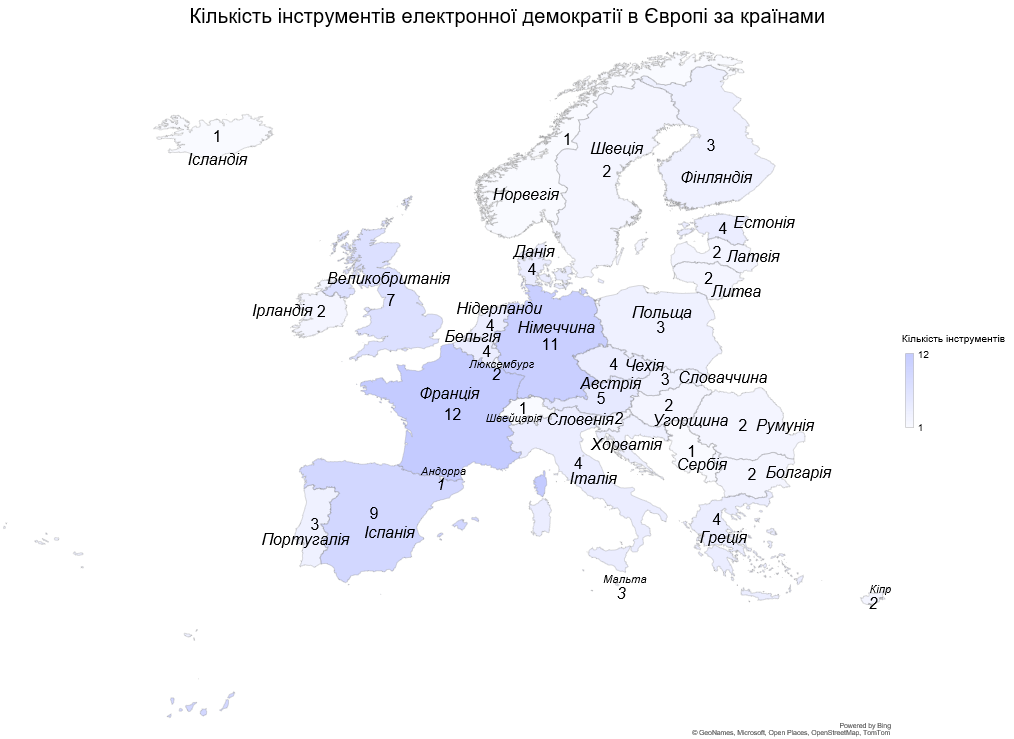
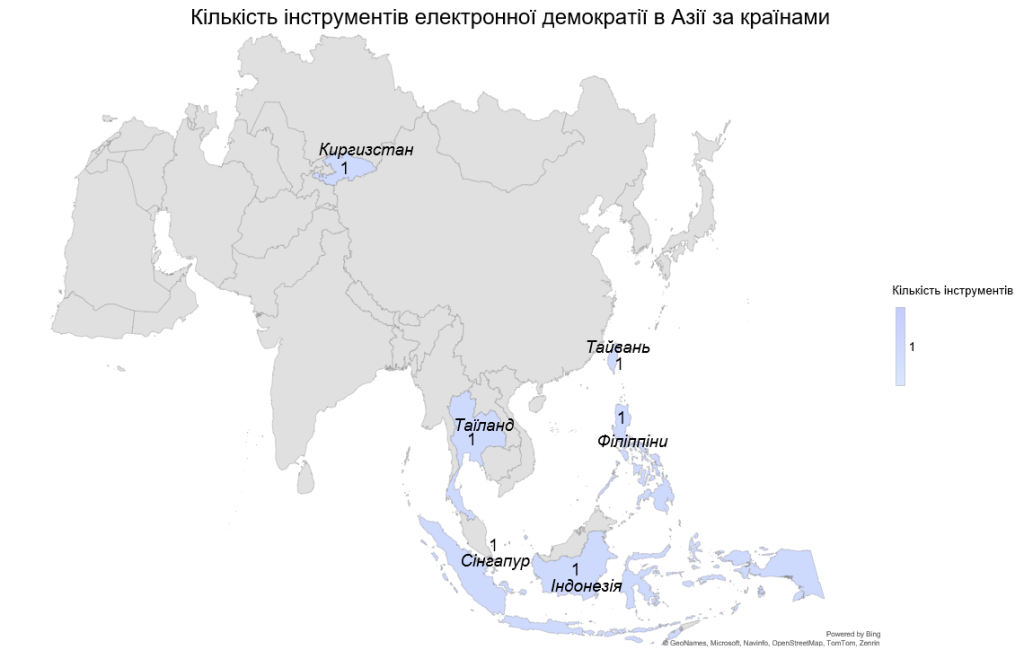
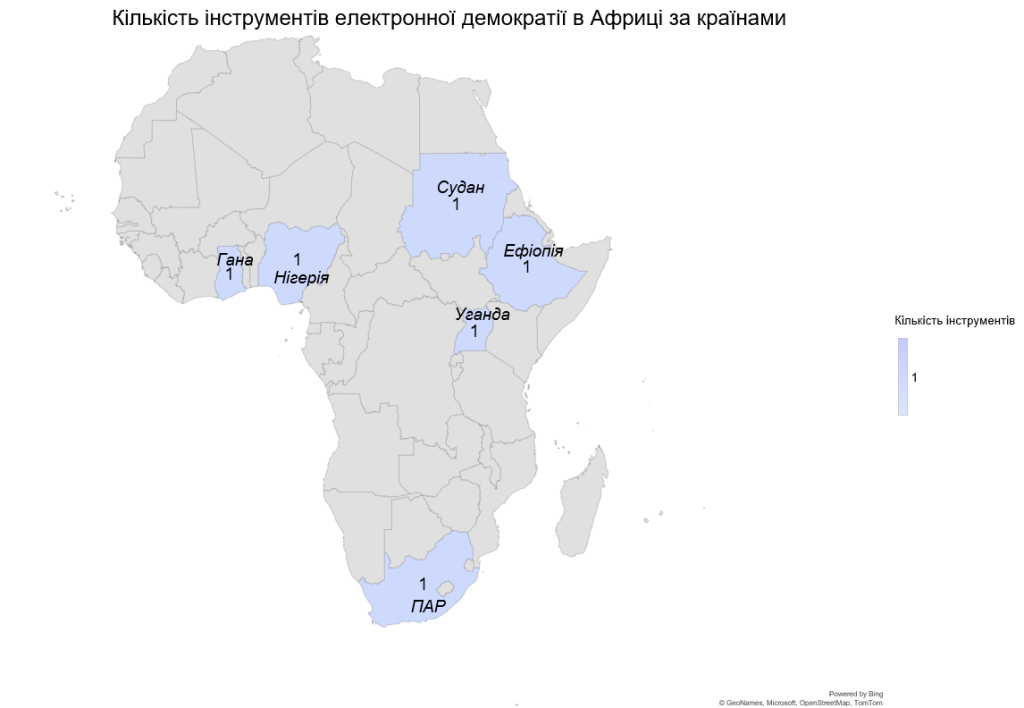
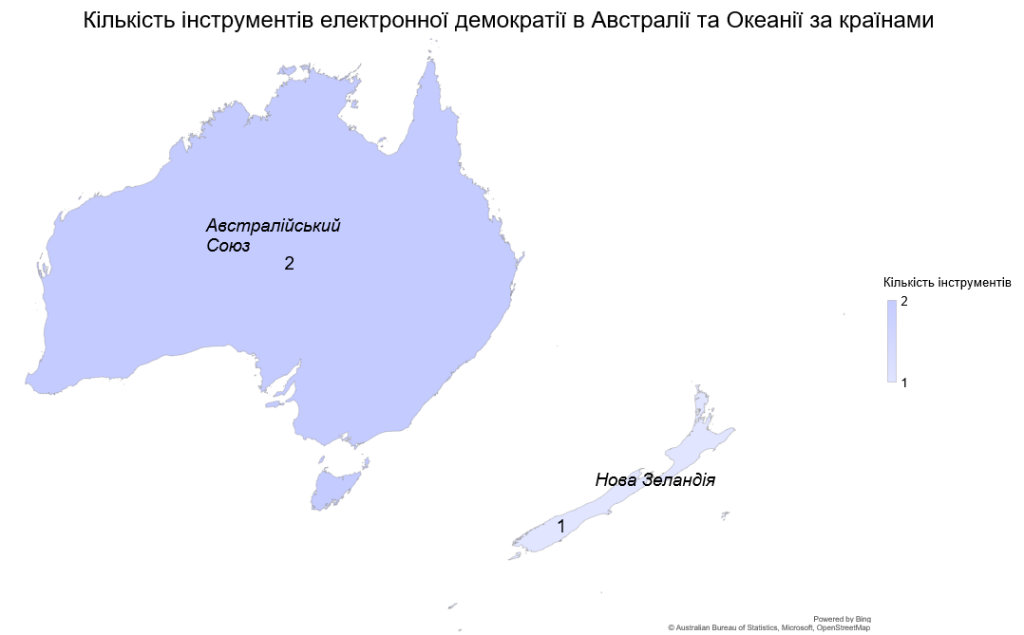
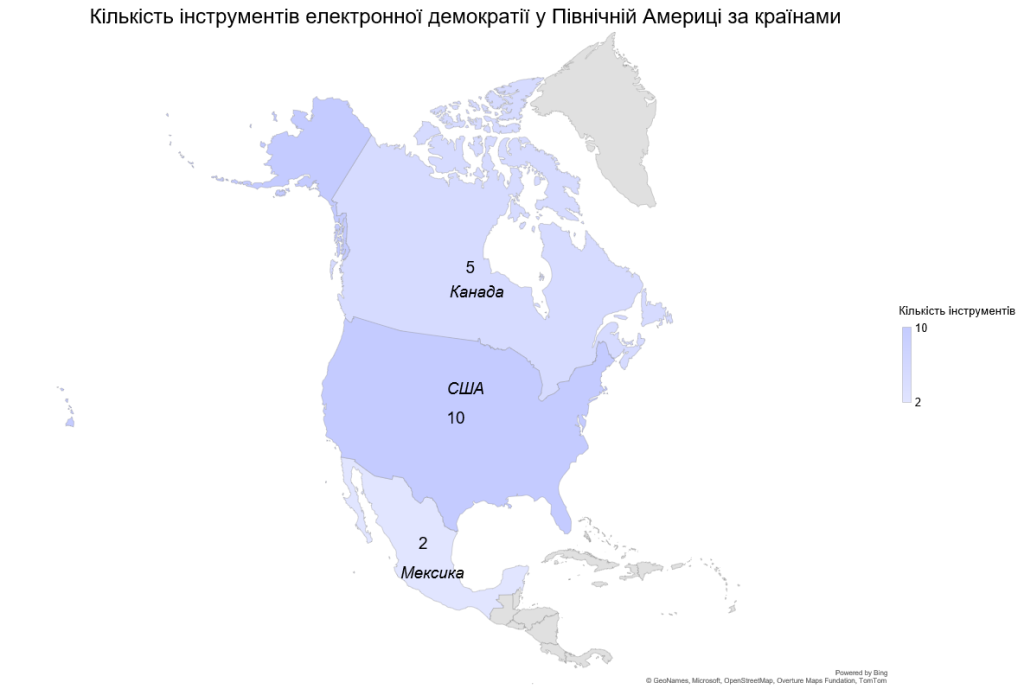
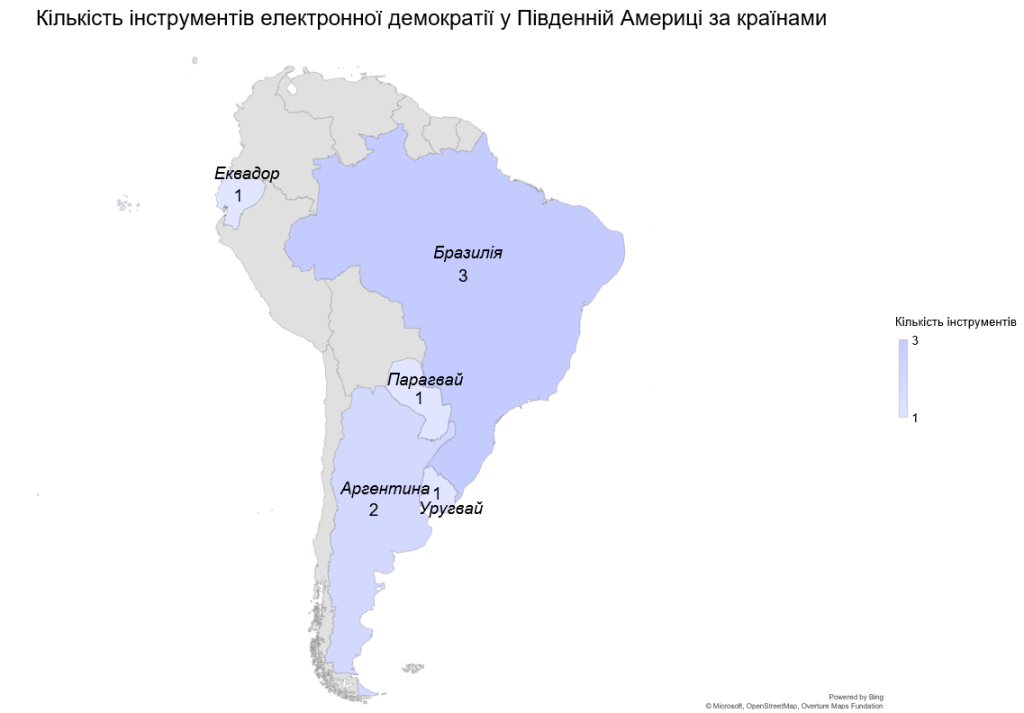
The study focused mainly on countries in Europe and North America. However, a small number of tools are also used on other continents, notably in Asia, South America and Australia.
Comprehensive tools
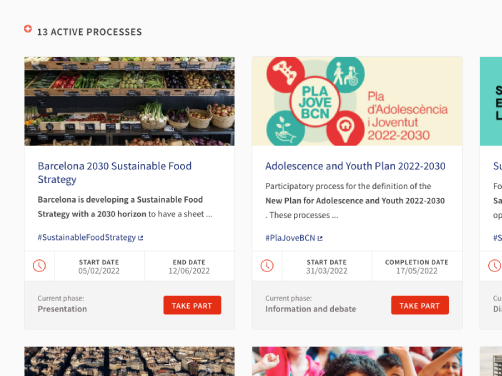
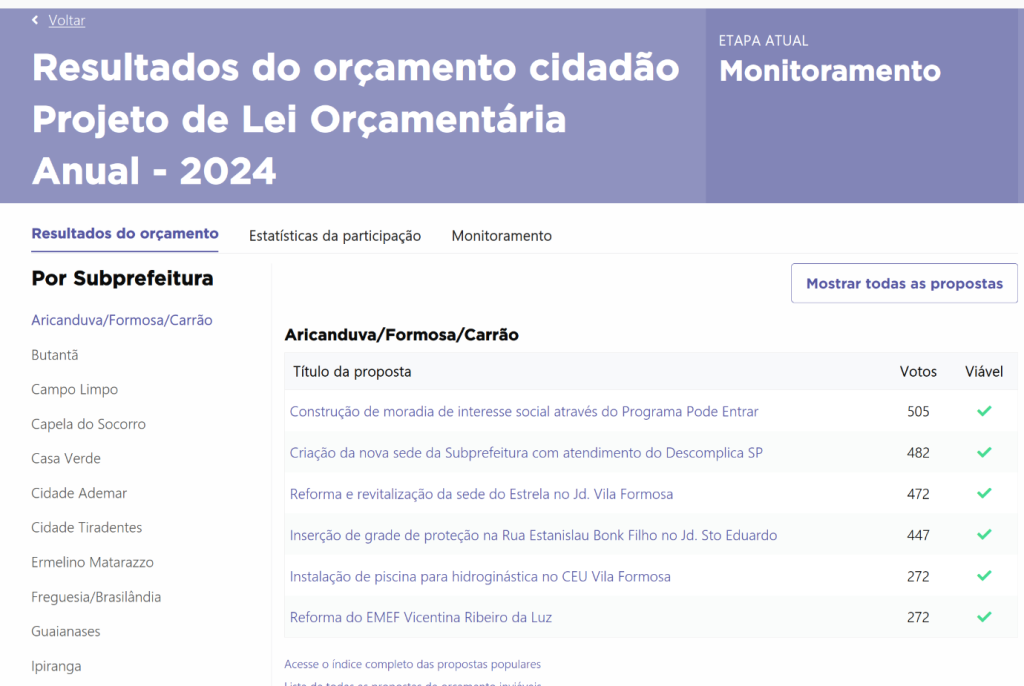
Comprehensive tools are those that consist of several modules and enable the creation of an entire ecosystem. They have the potential to serve as an effective bridge between the state and citizens, addressing issues of low engagement and fragmented decision-making. The main drawback is the complexity of integrating the entire platform into the bureaucratic apparatus.
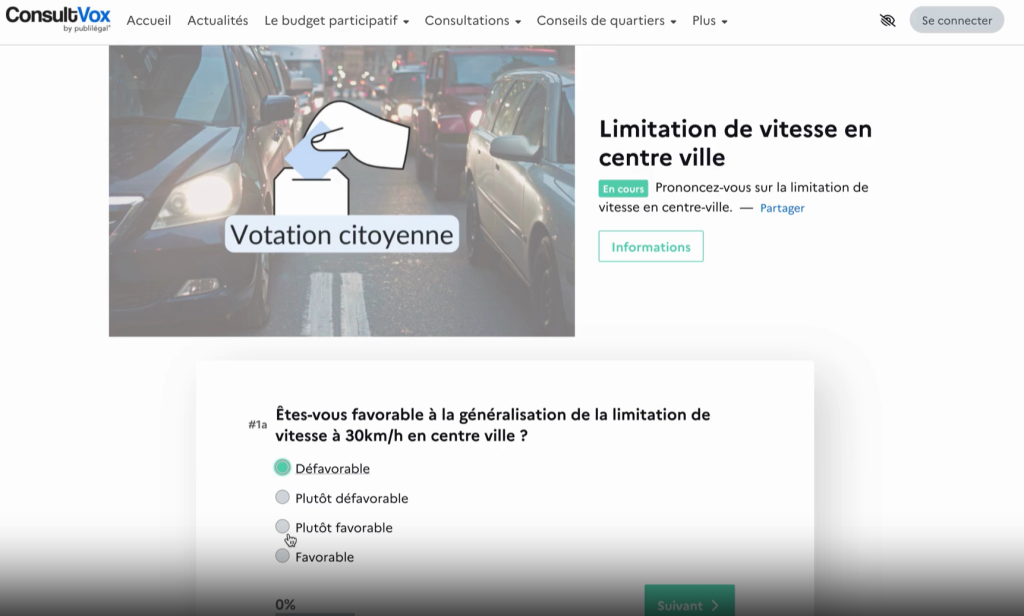
Examples of such platforms include Decidim (a platform that enables the creation of discussion forums), Consul Democracy (which offers a platform comprising five independent tools, including a finance module that enables participatory budgeting), ConsultVox (a customisable platform based on various modules, which also include a register of public requests, round-table discussions, interactive maps, etc.) and others.
E-voting tools
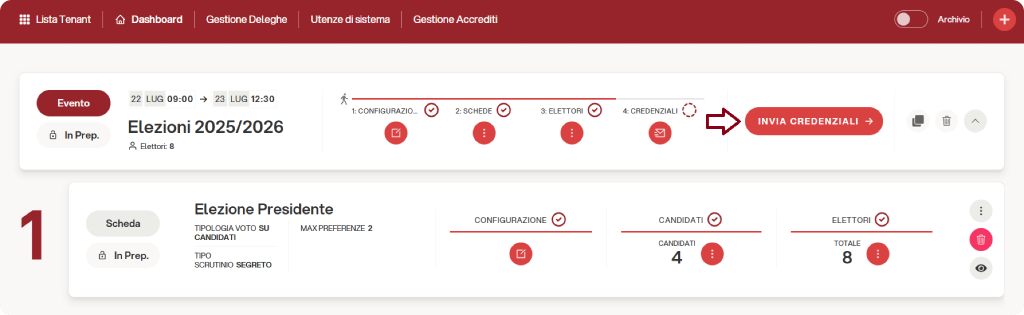
Unlike comprehensive tools, e-voting tools have a specific focus. These platforms must ensure the verification and anonymity of participants, prevent administrators from influencing the voting process, and guarantee the legal validity of election results. E-voting tools ensure inclusivity for those citizens who are unable to visit polling stations, but they are not a substitute for traditional voting methods.
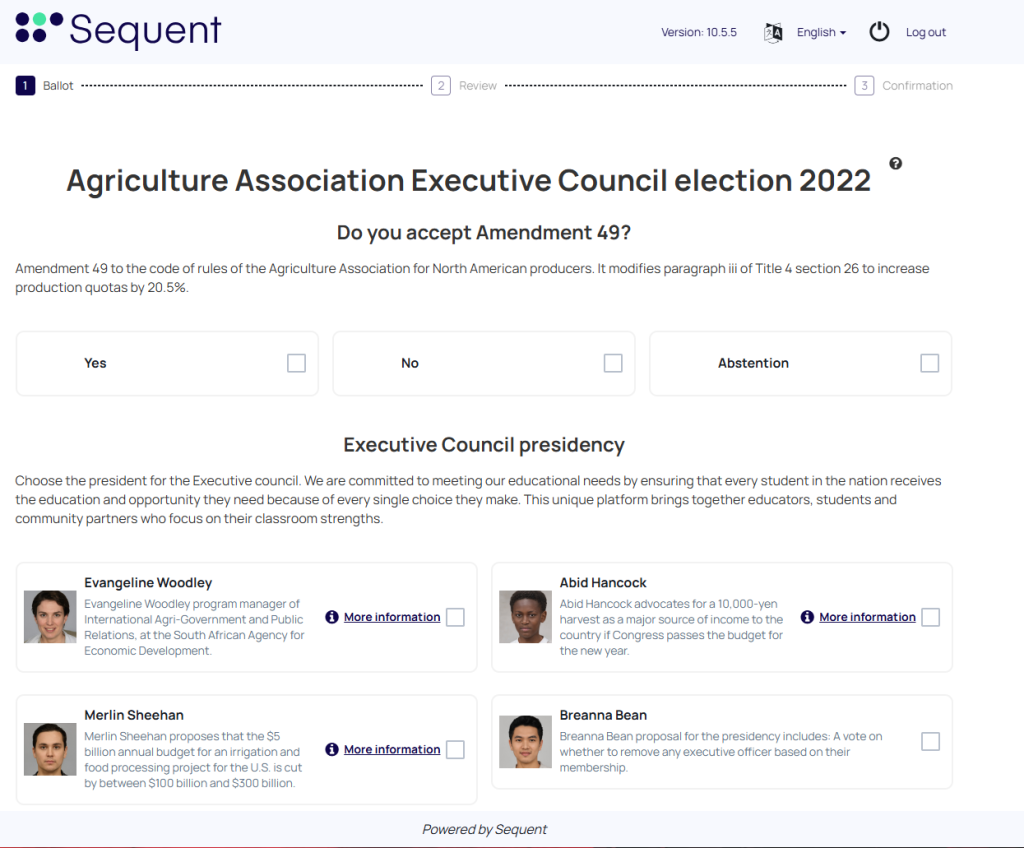
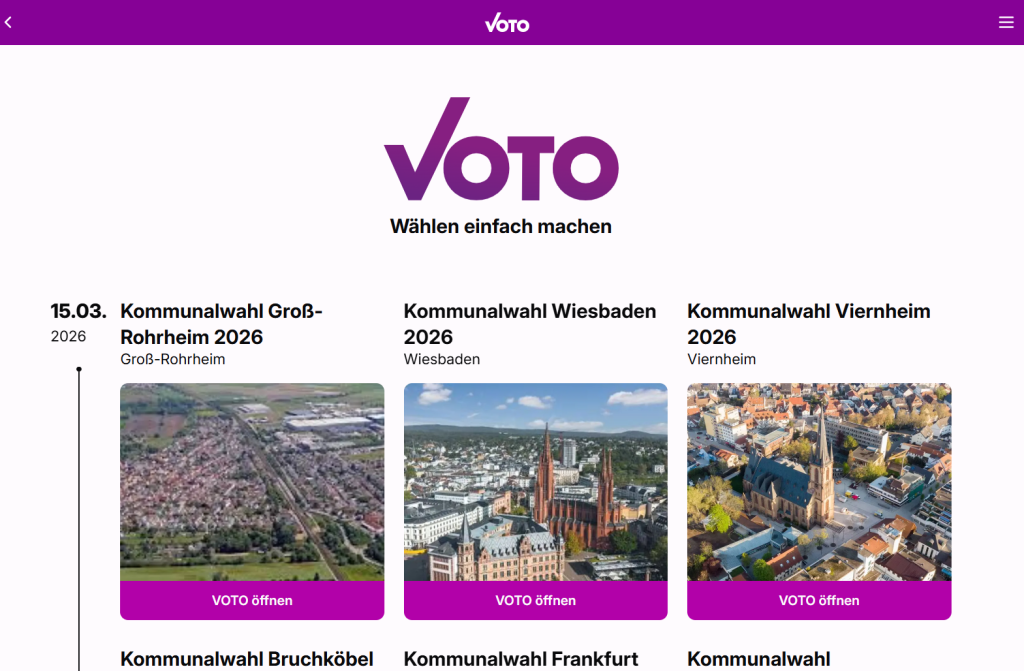
Cybersecurity remains the main challenge in their use, and some of the platforms are working to improve this. Examples of e-voting tools include: Eligo eVoting (an e-voting platform that incorporates an additional layer of security and innovative features for both voters and administrators), Sequent (an open-source, fully verifiable online voting platform designed to provide election organisers, voters and auditors with the highest level of trust in digital elections), Voto (a platform used to create voting applications as well as to compare candidates’ positions. It is a no-code platform, allowing it to be easily adapted to the user’s needs) and others.
Tools for discussion and decision-making
The quality of decision-making depends directly on the quality of the prior discussion. This process is also undergoing rapid digitalisation, which bridges the gap between the emergence of a social problem and its resolution.
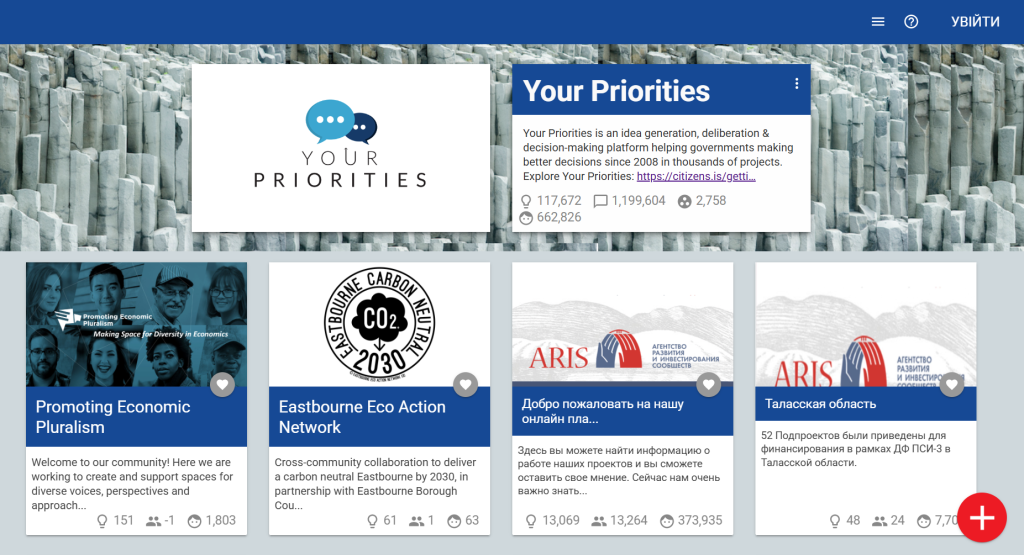
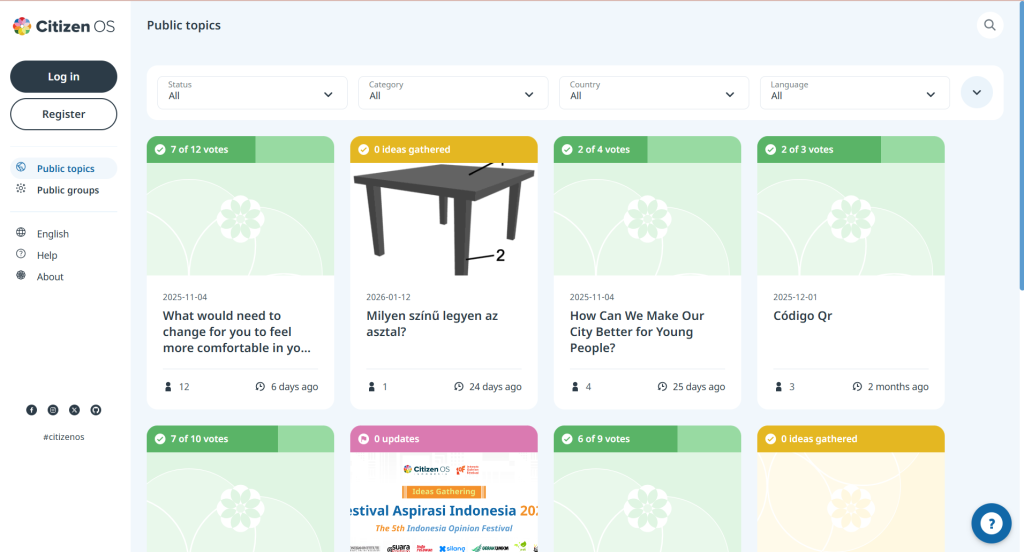
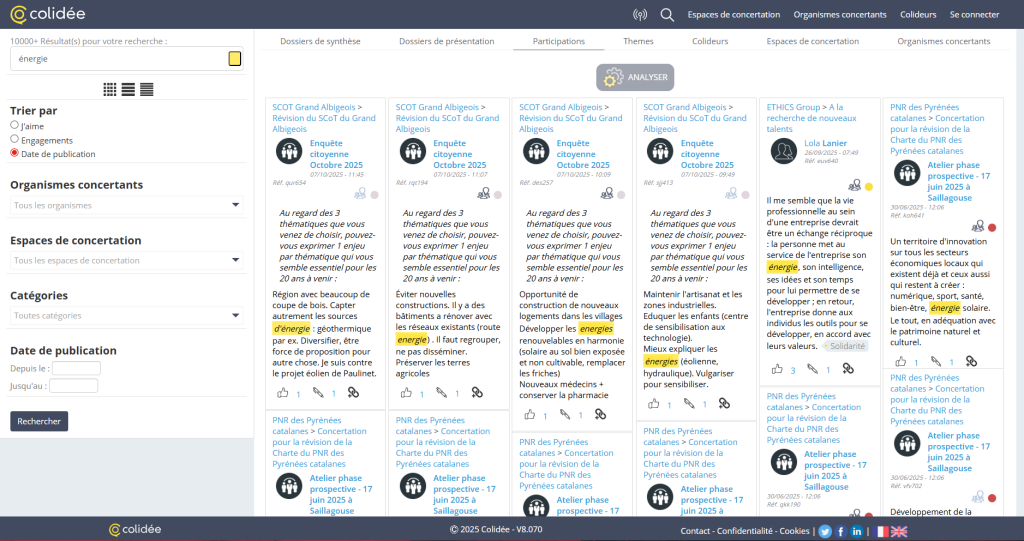
Let us highlight the following tools that enable more inclusive decision-making based on the majority view: Citizen OS (an open-source e-democracy platform specialising in transforming chaotic discussions into legitimate collective decisions), Your Priorities (a cloud-based online platform that brings together governments and citizens to generate ideas, discuss and make decisions), Colidée (a comprehensive online platform designed to support collaboration and collective decision-making within organisations and communities. The platform is built around a common set of tools and features, including the ability to share information, participate in ongoing projects and track progress towards shared goals) and others.
Urban planning tools
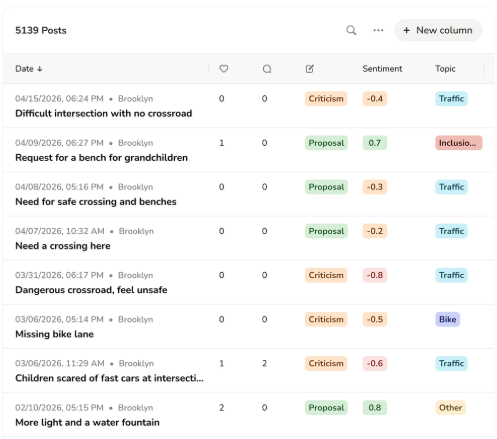
The organisation of urban space has a direct impact on citizens’ quality of life, and there are tools in this area that enable more effective decision-making. Broadly speaking, these fall into two categories: mapping and urban services. The former help to prevent haphazard development, enhance the city’s inclusivity and improve the effectiveness of urban initiatives. The latter encourage greater citizen participation in urban development.
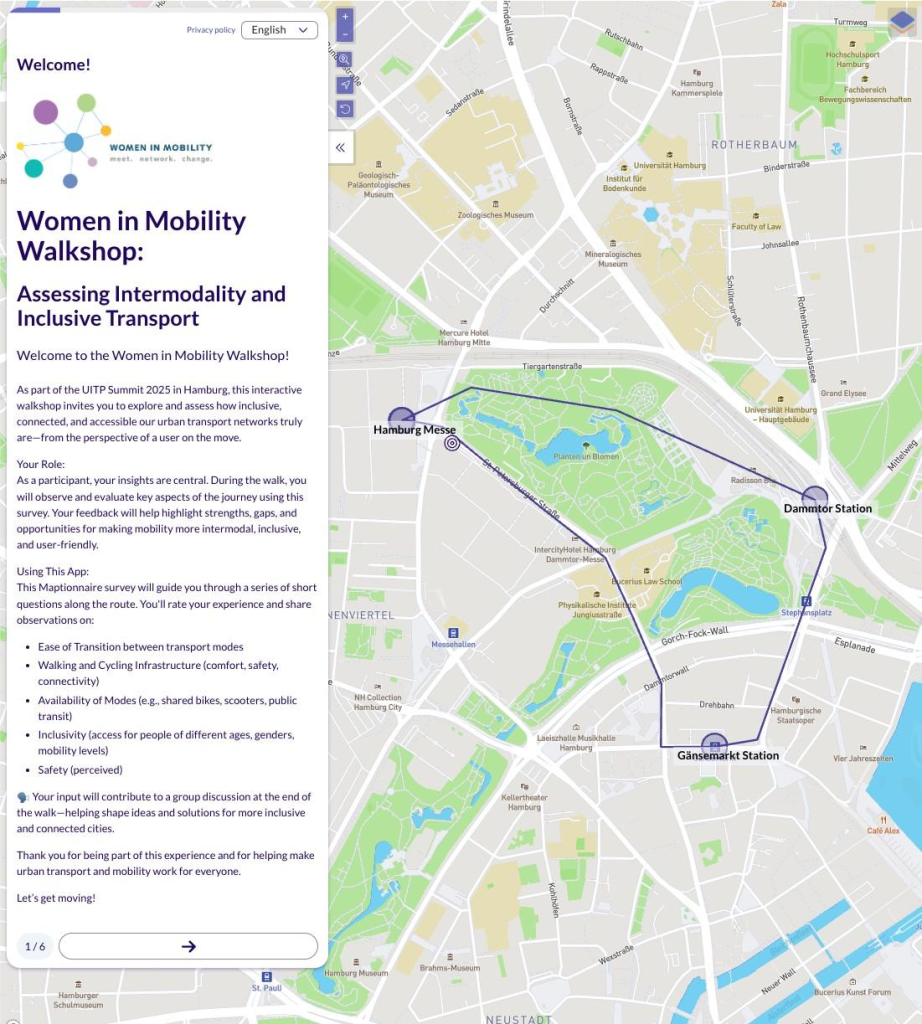
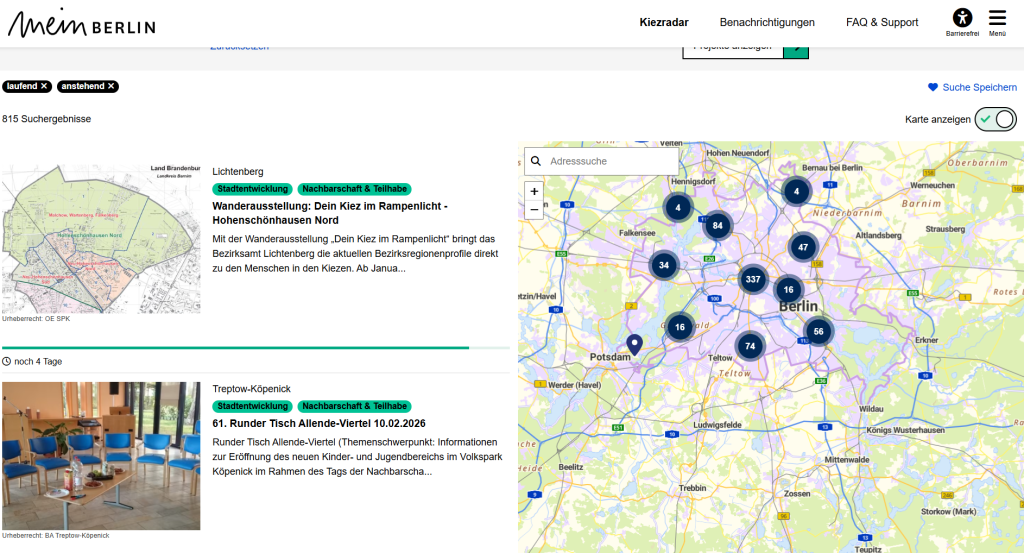
Platforms that facilitate the organisation of urban space include: Maptionnaire (a platform for engaging citizens in rational urban development planning. It simplifies the collection of local information through map-based and traditional surveys, making data collection an enjoyable experience for citizens), Senf.app (a platform that enables effective data collection and decision-making. It enables the visualisation of GIS data, offering a clear spatial overview, and provides access to customisable project configurations), Mein Berlin (a platform for citizen participation launched by the federal state of Berlin. Here, citizens can find information about projects being implemented by the Berlin administration and also submit their own ideas) and others.
Service and feedback tools
Today, we set high standards for service delivery, so the public sector must adapt to changes in the environment. Digital services and feedback platforms should simplify or replace complex bureaucratic procedures, improve the experience of interacting with the state and boost trust in it. They help create a model of cooperation in which city residents take an active role and champion their own proposals.
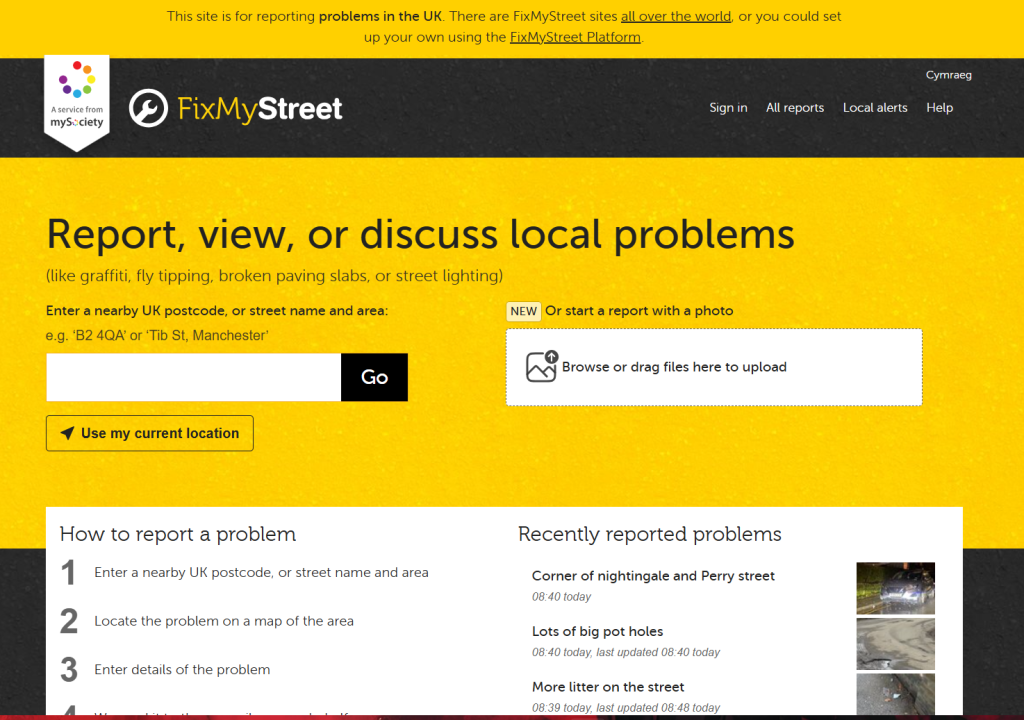
Among such tools, we highlight: FixMyStreet (a platform through which citizens can directly report damage or obstructions in public spaces, which simplifies the administrative process, reduces costs and increases efficiency), Novoville (a platform for citizen engagement that bridges the gap between citizens and local authorities. The cloud-based platform implements new modules or integrates with existing systems so that local authorities can communicate individually with citizens, manage enquiries and transactions effectively, and make informed decisions based on real-time data) and others.
GovTech tools
E-democracy is not merely about interaction between public authorities and citizens. It also encompasses tools that automate document management, support council meetings and so on – in other words, those that operate within the authority itself: GovTech tools. The digitalisation of the civil service is also a vital part of e-democracy, without which citizens’ proposals or the results of votes cannot be effectively implemented. Tools such as Granicus are used around the world – a leading commercial cloud-based platform that automates routine processes, improves service delivery and ensures professional communication with the public. Thanks to this tool, over a million citizens have been involved in decision-making.
Transparency and analytics tools
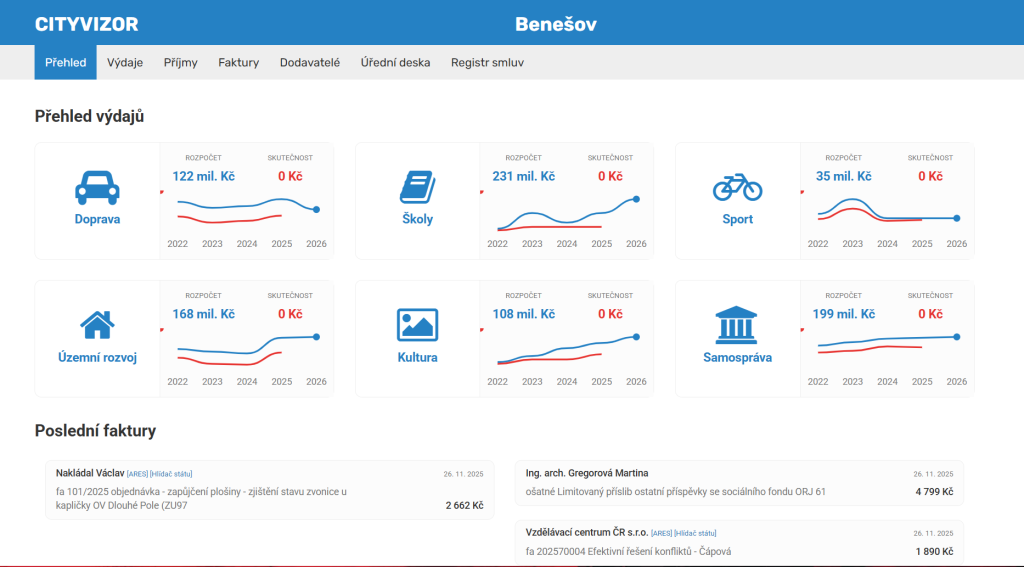
The effectiveness of the engagement tools described above depends directly on the level of public awareness. Without proper access to verified information, participation becomes a manipulative process. This is precisely why transparency and analytics tools form a separate category. An example of such a tool in this area is Cityvizor – a tool that ensures transparent municipal governance by providing detailed information on individual budget items and monitoring their implementation as projects progress.
Tools for mobilising the population
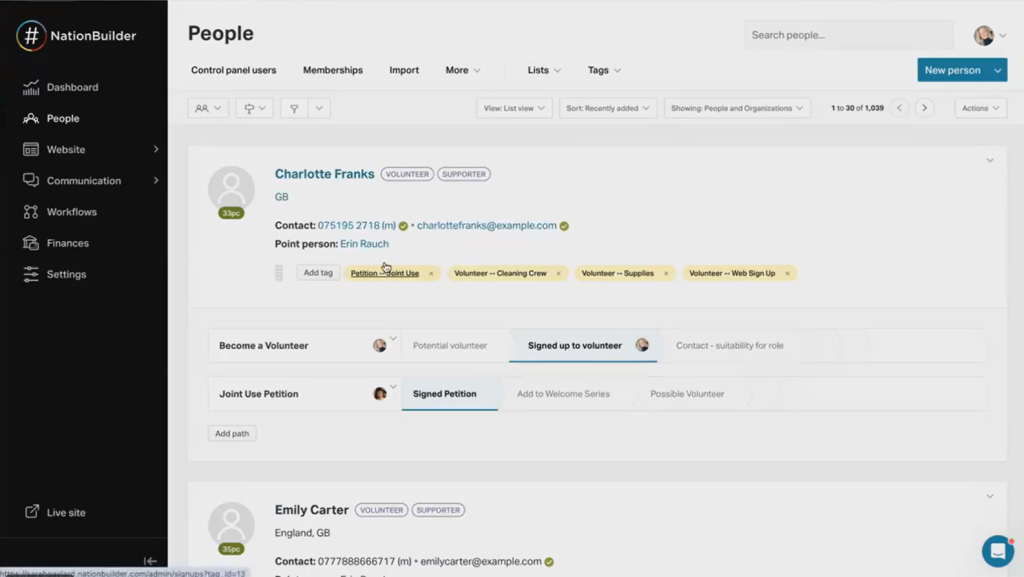
Often, addressing certain issues of public importance requires the consolidation of the population. This process has also undergone digitalisation, utilising, for example, a platform such as NationBuilder – an integrated software platform designed to help leaders from various fields mobilise supporters and drive change. The main outcome of these public mobilisation tools is the building of social capital and the exertion of pressure on the authorities. They bring together diverse public ideas into a single, effective course of action.
However, the effectiveness of these tools depends directly on the recognition of their outcomes – for example, through voting by public authorities. It is not possible to implement only individual, unconnected tools; there must be a comprehensive system of e-democracy.
Technical support tools
The technical support for the electoral process and voting is made possible, for example, by the Comitia system – these are, first and foremost, technical products that enhance the value, efficiency and reliability of democratic processes. These products are used in more than 12 countries around the world. The system helps to ensure that elections are conducted in a fair, democratic and transparent manner.
Conclusion
In conclusion, it is worth noting that e-democracy is no longer an experimental field but has become an important part of the transformation of the system of governance and decision-making.
This study of global e-democracy tools reveals several key patterns.
- Firstly, the effectiveness of e-democracy tools depends on their uptake amongst citizens and the extent to which public authorities rely on them when making decisions.
- Secondly, fragmentation, rather than a unified system, dilutes citizens’ attention and works against the interests of public authorities.
- Thirdly, the use of e-democracy tools raises the issue of cybersecurity, which some platforms still need to address.
Read the full text of the study by following the link.
Analytical Department of the Centre for Innovation Development